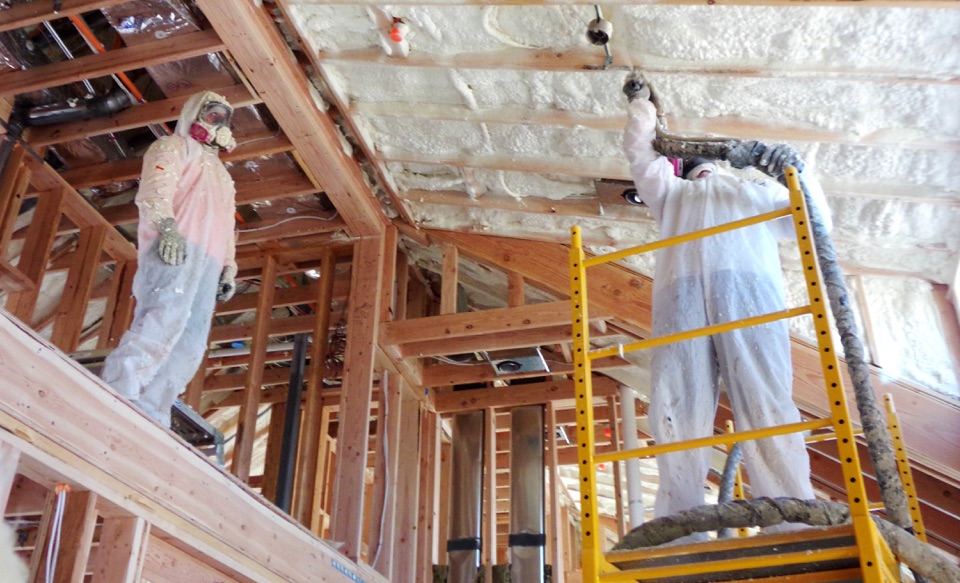
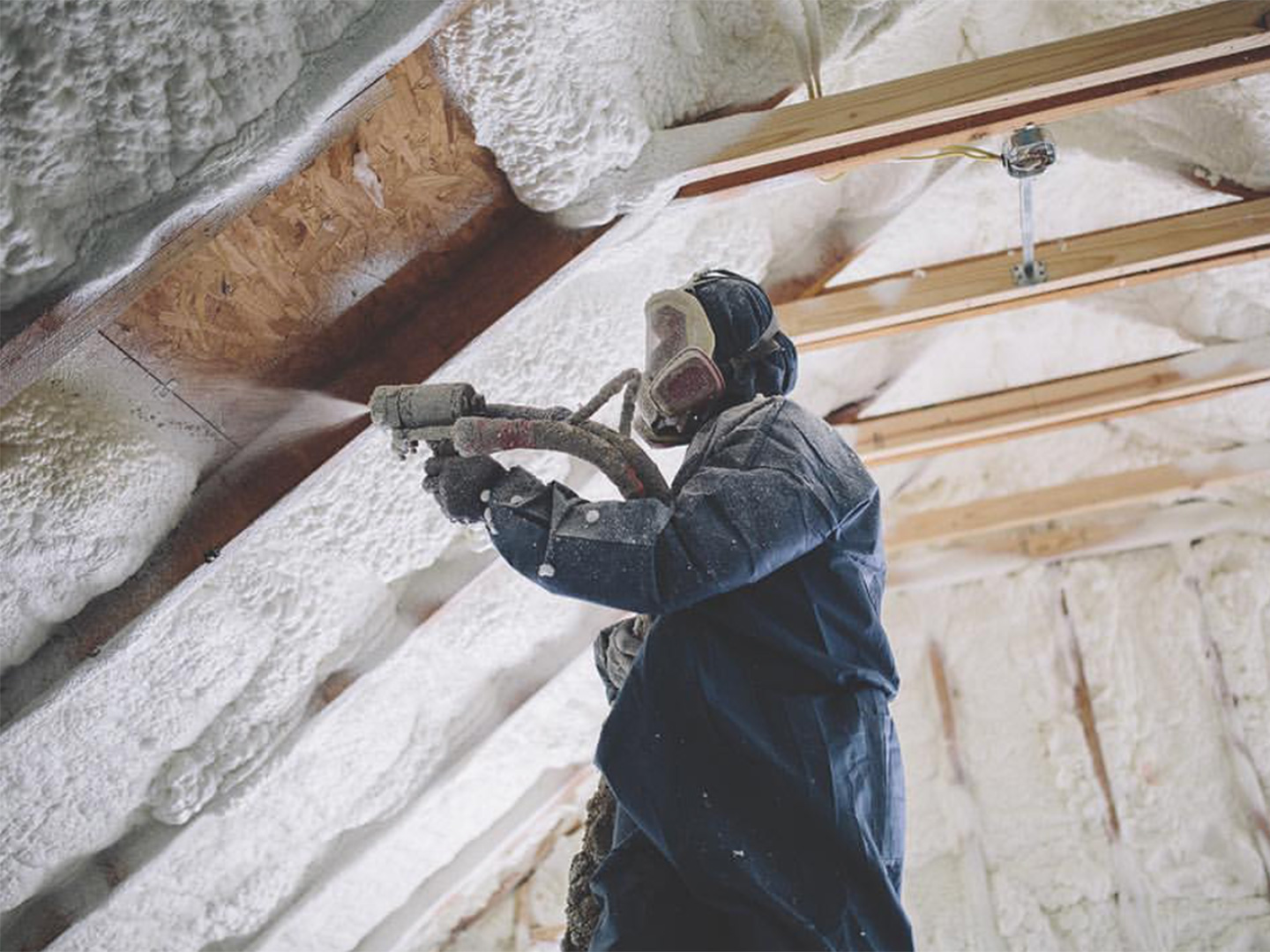
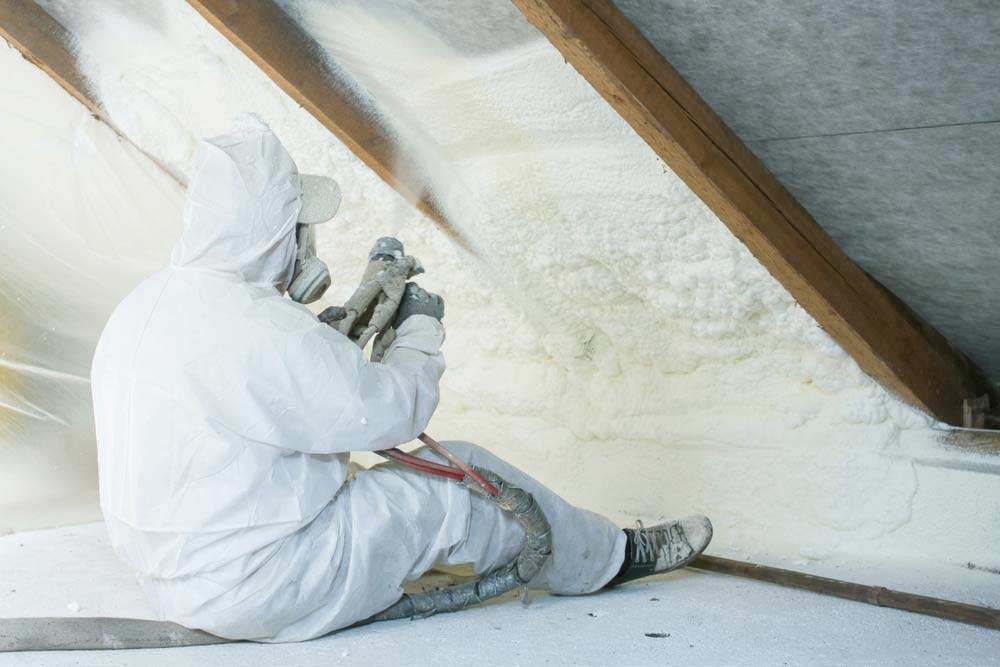
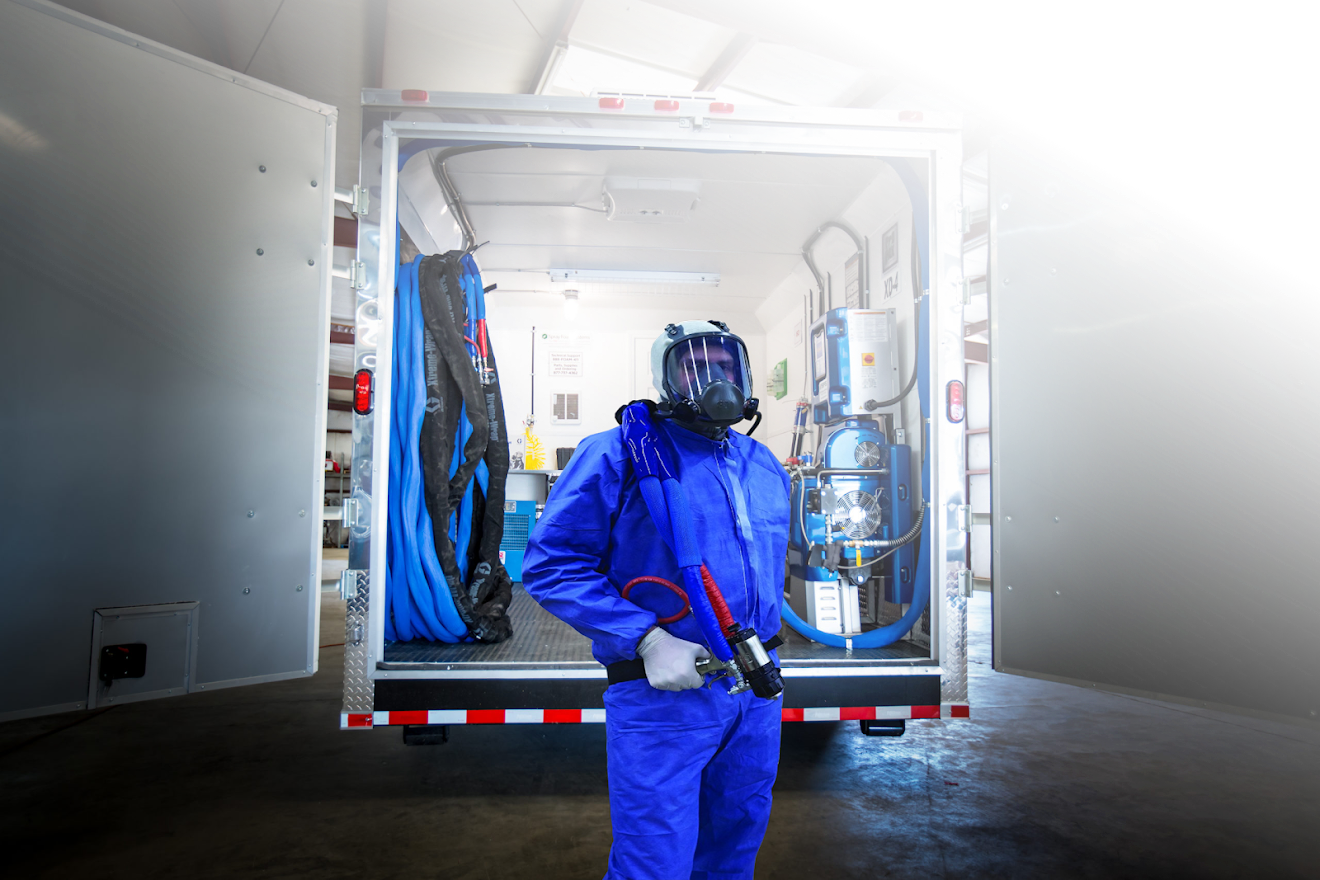
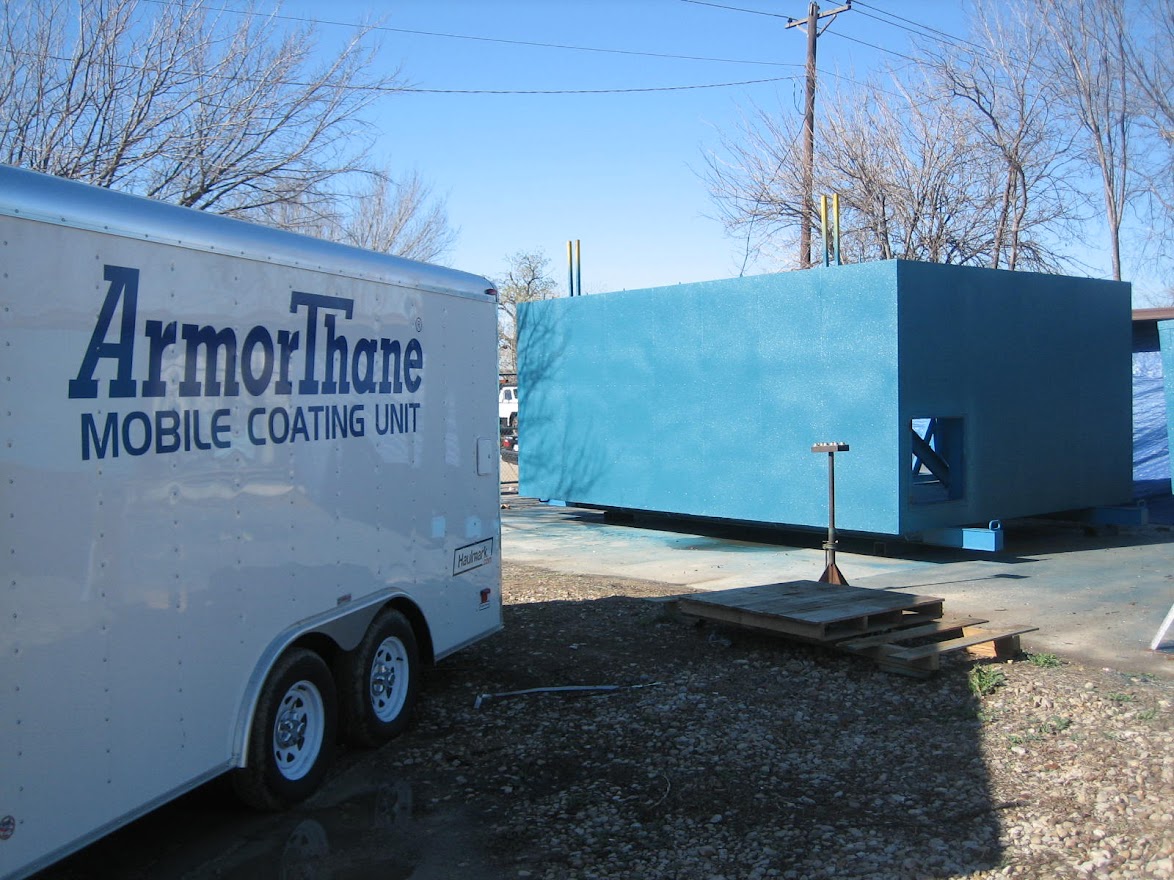
Most Springfield homes do not have an insulation problem. They have a leak problem wearing an insulation costume. We spray foam that stops the air and the heat in one pass — attics, crawl spaces, walls, shops and warehouses.
Written scope and a real number before anything is scheduled. No “starting at” pricing.
What foam does to an assembly
R-49Attic roof deck
R-0R-55
Licensed & insuredCertificate sent to you or your GC before we start.
Open & closed cellThe right foam for the assembly, not whatever is on the truck.
Local to SpringfieldNixa, Ozark, Republic, Willard and the wider Ozarks.
Free written estimateAssembly, foam type, thickness, square footage, price.
Why your house is uncomfortable
Heat leaves three ways. Batts only argue with one of them.
Insulation is sold on a single number, and that number describes only one of the three routes heat takes out of a building. This is the part of the sales conversation most contractors skip.
Convection
Air carrying heat straight through the gaps.
This is the one fiberglass cannot touch. Moving air slips around batts, through top plates, down chase ways and out the ridge. Foam is the only common insulation that is also the air barrier, so the leak and the R-value get solved in the same pass.
The U.S. Department of Energy puts air leakage at roughly a quarter to two-fifths of the energy used to heat and cool a typical home.
Conduction
Heat walking through solid material.
Every stud is a small thermal bridge from inside to out. R-value is the number that describes resistance to this path, and it is the number everyone quotes — but on its own it describes a wall that is never built.
Closed-cell foam runs about R-6 to R-7 per inch; open-cell about R-3.5 to R-4.
Radiation
Heat thrown across a space as infrared.
A July roof deck radiates into the attic all afternoon and keeps radiating after sundown. Bringing the insulation up to the deck puts the mass of the roof outside your envelope instead of above your ceiling.
A dark shingle roof in full Missouri sun commonly reaches 150–170°F at the deck.
What we do
Six assemblies, one approach.
Every one of these starts the same way: find where the air is moving, stop it, then build the R-value on top of a sealed envelope.
Biggest single win
Attic insulation
Heat leaves a house through the lid first. Foam applied to the roof deck brings the attic inside the conditioned envelope, so the ductwork up there stops fighting a 140°F summer attic.
R-6.5per inch, closed cell
140°F+typical MO summer attic
Moisture control
Crawl space encapsulation
Ozark crawl spaces breathe damp ground air straight into the floor above. Sealing the rim joist and walls cuts that path, which is as much a mold-and-floor-joist story as an energy one.
Class IIvapor retarder at 1.5"
Sealedrim joist + walls
Build it right once
Walls & new construction
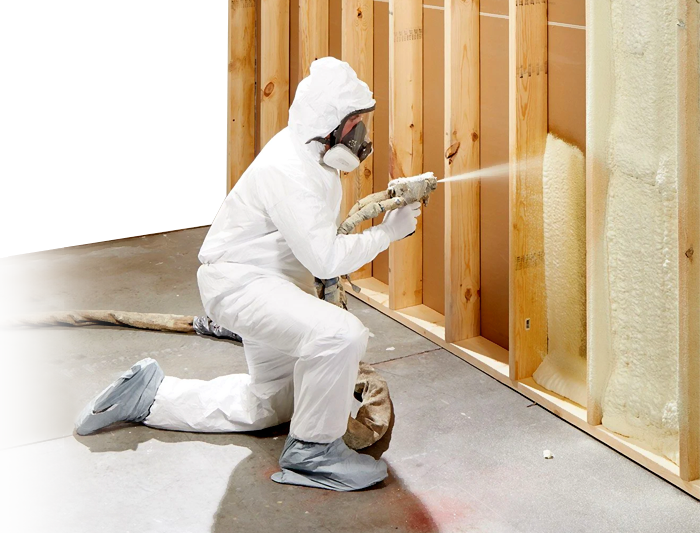
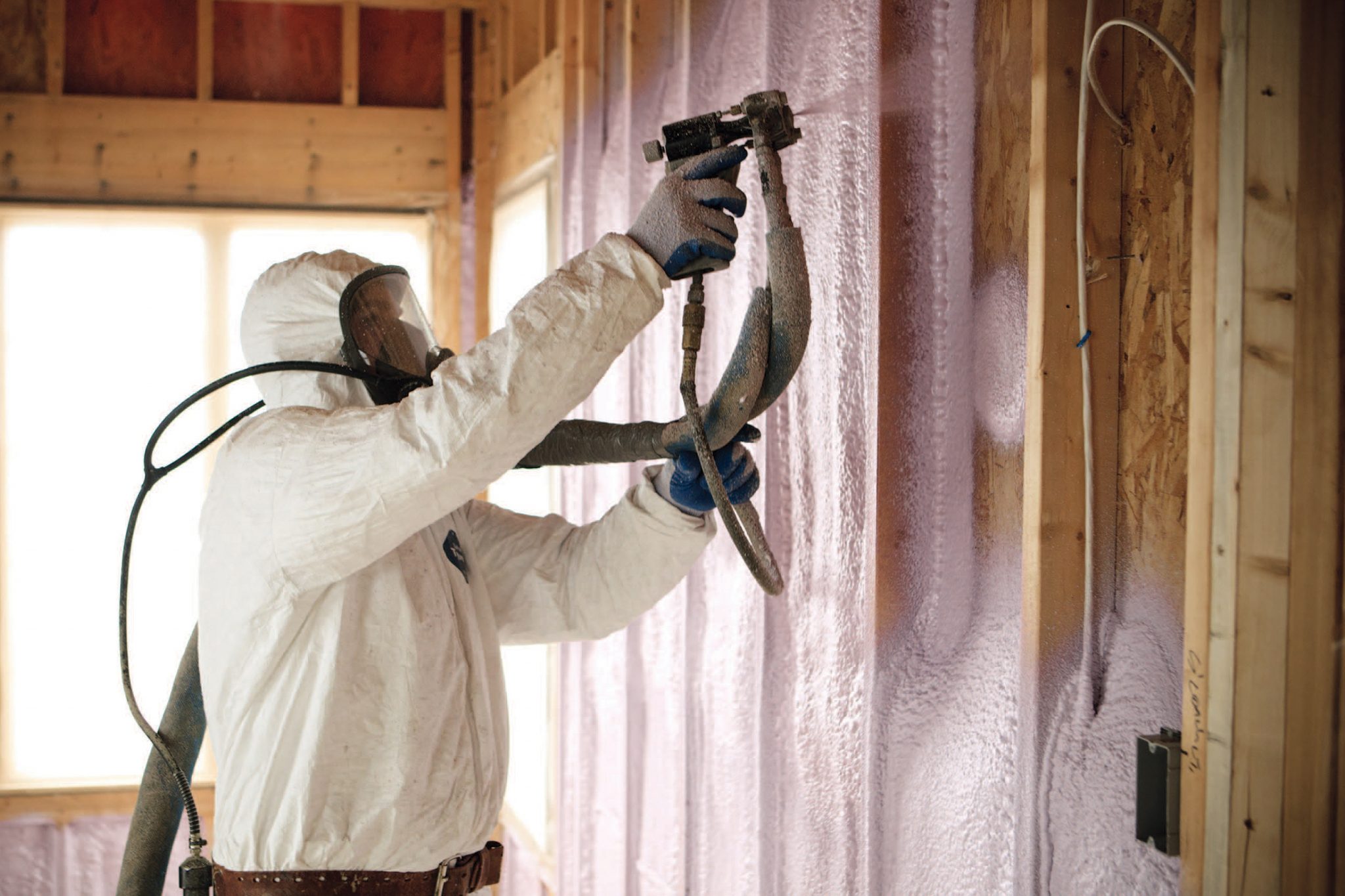
Open-stud framing is the cheapest foam you will ever buy. We spray before drywall, trim flush, and hand the inspector a continuous air barrier instead of a batt with gaps around every wire.
Continuousair barrier
Trimmedflush to stud
Stops the drip
Metal buildings & shops
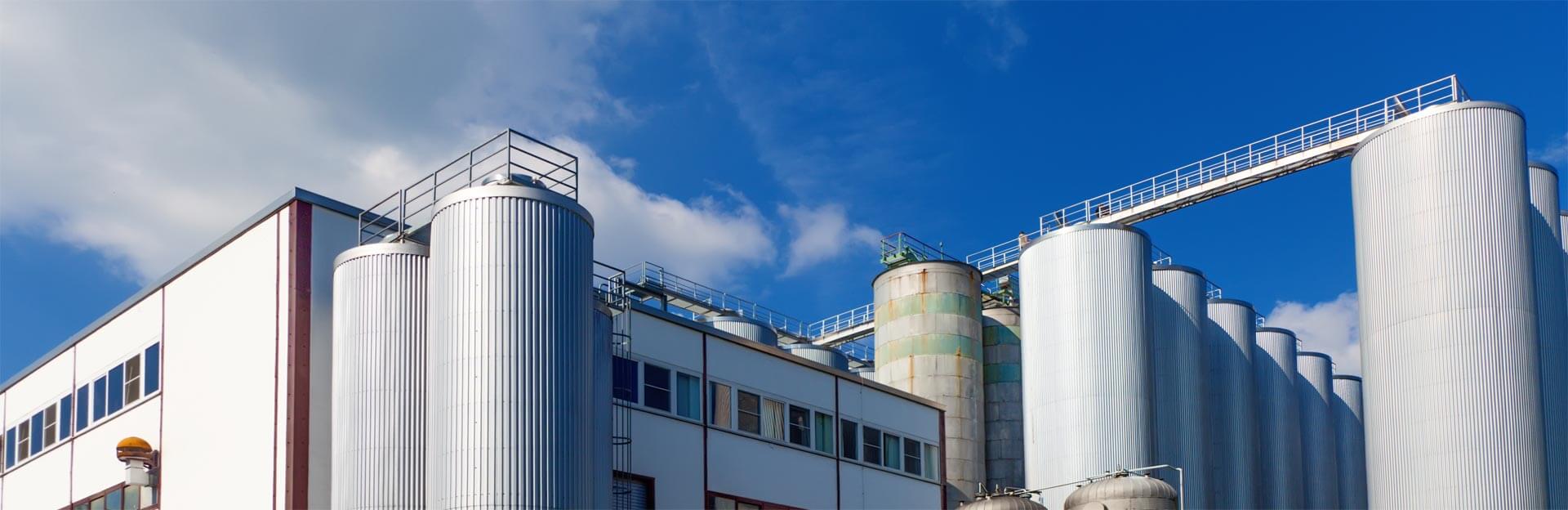
Bare steel panels condense every time warm inside air meets a cold roof. Closed-cell foam on the underside ends the raining-indoors problem and takes the shop from unusable to heatable.
No dripcondensation control
Addspanel stiffness
Scheduled around you
Commercial & warehouse
Warehouses, cold storage, offices and multi-family. We scope the job around your operating hours and give you a written plan for containment, ventilation and re-entry times.
Off-hoursscheduling
Writtenre-entry plan
Older Springfield homes
Retrofit & top-ups
Plenty of houses here have six inches of settled blown-in and no air sealing at all. We air-seal first, then insulate — in that order, because R-value does nothing for a leaky envelope.
Sealthen insulate
25–40%energy lost to air leaks*
* U.S. Department of Energy guidance on air leakage in typical homes. Performance on any specific building depends on the existing envelope, the HVAC system and how the building is used.
The question everybody asks
Open cell or closed cell?
Neither one is “better”. They are different materials for different assemblies, and a good job often uses both in the same building. Here is the honest comparison.
Side by side
Highlighted cell is the stronger performer on that row.
Figures are typical product ranges, not a specification. The datasheet for the material actually used on your job governs.
Ask which one your building needs
Two minutes
Where is your building actually losing it?
Answer what you know. This ranks the assemblies in the order we would tackle them on your building and tells you why — which is a more useful thing to know than a payback figure, and a good deal more honest.
On the money figure: ENERGY STAR puts the typical saving from air sealing plus attic, crawl space and rim joist insulation at around 15% of heating and cooling costs. A genuinely bad envelope beats that; a decent one will not. And energy is only one of four reasons people do this — comfort, humidity and a smaller HVAC system are the others, and on plenty of houses they are the bigger half of the case.
How a job runs
Four steps, no surprises.
01
Walk the building
We look at the whole envelope, not just the room that is uncomfortable. Attic, rim joist, crawl space, ductwork, and where the air is actually going.
02
Written scope and price
You get the assembly, the foam type, the thickness, the square footage and the number. No “from” pricing, no surprises on the day.
03
Prep and containment
Masking, ventilation and a re-entry time agreed up front. Mechanicals and electrical get checked before a single trigger is pulled.
04
Spray, trim, clean up
Foam goes on in controlled lifts, gets trimmed flush where it needs to be, and the site leaves clean. Photos of the finished work either way.
Recent work
Foam, trimmed flush, photographed.
Click any frame to open it. Every job leaves with photos whether it went perfectly or not.
We are based here, so a site visit is not a two-day production. If you are outside this ring and the job is big enough to be worth the drive, ask anyway.
Summer venting does not dry an Ozarks crawl space, it irrigates it. What encapsulation actually involves, in what order, and how to…
5 min readSep 20, 2026
Before you call
Questions we get every week.
Closed cell where you need the highest R-value per inch, a vapor retarder or structural stiffness: crawl spaces, rim joists, metal buildings, anywhere moisture is in play. Open cell where you have depth to fill and want sound damping at a lower cost: interior walls and most vented-to-unvented attic conversions. Plenty of jobs use both, in different assemblies.
It is priced by board foot — square footage multiplied by inches of thickness — so the honest answer is that it depends on the assembly and the depth the job calls for. Attics and crawl spaces price very differently. We give you a written number for your building before any work is scheduled, and the estimate is free.
Typically 24 hours for a normal residential job with the ventilation plan we set up, though the exact window depends on the product, the thickness and how well the area moves air. We agree the re-entry time with you in writing before we start rather than telling you on the day.
On a leaky house, almost always — and the savings come as much from the air sealing as the R-value. How much depends on where you started, how your system is sized and how you run it. We would rather show you the assembly and the numbers behind the estimate than promise you a percentage.
Closed-cell foam is injected into closed cavities only in specific circumstances and it is not a drill-and-fill product the way cellulose is — it expands hard enough to bow drywall if it is done carelessly. We will tell you honestly when a different material is the right call for a finished wall.
Yes, and we will send the certificate to you or your general contractor before the job starts, without being chased for it.
Springfield and the surrounding Ozarks — Nixa, Ozark, Republic, Willard, Battlefield, Rogersville, Strafford, Marshfield, Bolivar and the Branson area. Larger commercial jobs, we will go further; ask.
Next step
Let us look at the building.
Twenty minutes on site tells us more than an hour on the phone. You get a written scope with the assembly, the foam, the thickness and the price — and no obligation attached to it.
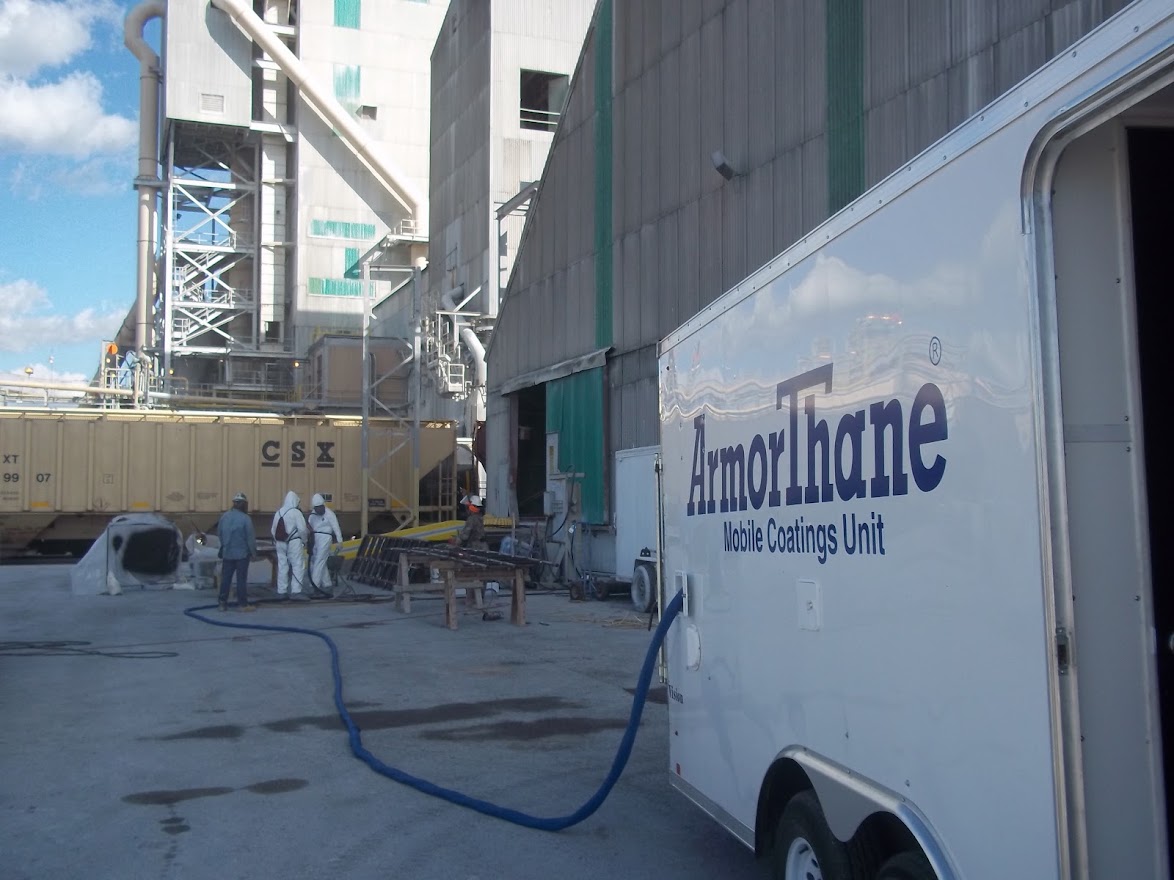
ArmorThane builds the rigs, makes the foam and trains new applicators right here in Springfield, MO. No franchise fee. No royalty. Your name on the truck.
Custom spray rigsTrailer or box truck, foam, polyurea or both
Training that ends in certificationOn-site or virtual
24/7 tech lineHelp on the job, not just at the sale